

(How to think in the Age of Algorithms, Influence, and Noise.)
**The Appraiser’s Mindset**

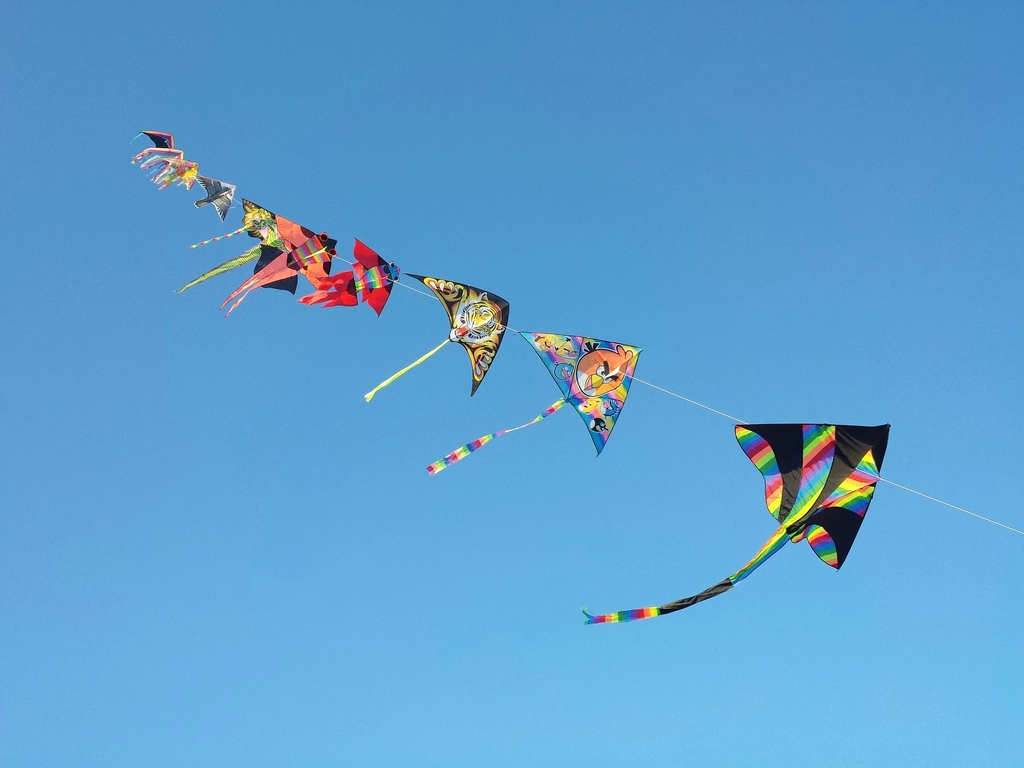
There are days when the sky itself feels restless, heavy with questions. Clouds gather as if they mean to remind us that not every path forward is clear, and the light shifts just enough to ask us to walk with more care. Appraisal work often feels the same… each assignment a weather system of its own, with changing patterns, hidden edges, and signals that require patience to read.
💬💭🌧️
Lessons From My Early Years
In my early years of my appraisal career, I watched my supervising appraiser carry a calm, steady grasp of not only how clearly explain the nuances of an appraisal. But also loved discussing and brainstorming where the industry was moving. It wasn’t just foresight. He had discipline. His manner showed me that credibility comes not from rushing to a conclusion, but from holding one’s ground with quiet steadiness. That lesson has stayed with me: the value of a steady mind when everything around you is urgently asking for speed or rushing on.
Discernment in a Curated World
We live in a time when so much of life is curated. News, images, even the way homes are presented for sale… layers of filters and edits that make reality feel polished, but also slippery. I sometimes don’t even know ‘who’ is sorting the stuff i see online, or why these ‘feeds’ are fed to me… (Note: A great book on this is “Filterworld” by Chayka) In such a world, discernment becomes a discipline of its own. To appraise is to cut through those filters, to ask: What is truly here? What is it worth? It’s a practice of attention, rooted as much in good judgment as in data. (And we all know data can be good, bad, partial, or at times – just plain wrong.)
Napoleon Hill once warned about the difference between facts and opinions. I don’t lean on his philosophies exclusively, but that kernel matters: knowing how to separate what is accurate from what is merely noise. In real estate, in business, and in life, the temptation to be swayed by surface or speed is constant. A steady mind questions it. I always try to see through an objective lense before coming to my conclusions, and this not only takes self-awareness, but discernment.
“Credibility comes not from rushing to a conclusion, but from holding one’s ground with quiet steadiness.”
Steadiness as an Active Practice
And perhaps that’s the deeper thread in this work… the truth that steadiness is not passive. It’s active. It’s training your mind to listen carefully, weigh evidence, and move forward with clarity, even when the skies overhead are shifting. That is the heart of appraisal. And it is, I believe, one of the more timeless skills we can cultivate in life as a whole, thinking person.
💬💭🌧️Algorithms Can Sort, But Only Humans Can Discern.
Algorithms and automated models can estimate value. They can analyze patterns, crunch price per square foot, and even apply adjustments.
But they can’t walk through a property and notice the uneven floors.
They can’t sense how a house “lives” differently than the comp down the road. They can’t ask, “Do these facts line up with reality?”
That’s the appraiser’s job.
🧠 Appraisal Is Synthesis — Not Just Data


Finding Balance Beyond the Profession
I wasn’t always steady. As a young art major in college, and even in the years just after, I rushed plenty of choices in my personal life. I was flighty, eager, and often impatient for outcomes. As the band NeedToBreathe sings, “I fell down hard but the falling saved me.” Those words ring true, because the stumbles did shape me.
It wasn’t until much more recently that I began to understand the deeper truth—the importance of not just steadiness, but balance in general. Life is not only about holding firm in the storm, but about pacing yourself so you can stand tall for the long haul. Balance, I’ve come to see, is as necessary as discernment, and together they form the foundation for both meaningful work and a meaningful life.

Pause. Listen. Think. Pause again. Proceed.
📚 Compass Moments – A Reading List for Truth-Seekers
These are books to guide the inner cartographer—those seeking to map out their own minds in an age of influence:


- How to Own Your Own Mind – Napoleon Hill
A timeless manual for independent thought and disciplined discernment. Written after Hill’s 1908 interview with Andrew Carnegie and published in 1941. - Filterworld: How Algorithms Flattened Culture – Kyle Chayka
A modern investigation of how algorithms shape our tastes, decisions, and digital lives. - Revenge of the Tipping Point – Malcolm Gladwell
A compelling look at how small forces accumulate into sweeping cultural shifts—and how to recognize them. - Bittersweet – Susan Caine
An exploration of how sorrow, longing, and melancholic beauty are powerful drivers of creativity, connection, and meaning. - The Gap and the Gain – Dan Sullivan and Dr. Benjamin Hardy
A mindset-shifting guide to measuring progress by how far you’ve come, not how far you have left to go—nurturing gratitude, clarity, and mental resilience. - The Go Giver: A Little Story About a Powerful Business Idea – Bob Burg
A parable that reframes success through generosity, emphasizing how giving value leads to real and lasting gains in business and life. - Digital Minimalism: Choosing a Focused Life in a Noisy World – Cal Newport
A practical philosophy for reclaiming focus, attention, and depth in a world overloaded with digital distraction. - Basic Economics: A Citizen’s Guide to the Economy – Thomas Sowell
A clear, accessible guide to understanding how economic principles operate in everyday life—no jargon, just logic. - Good to Great: Why Some Companies Make the Leap, and Some Don’t – Jim Collins
A deep dive into what separates lasting excellence from short-term success, grounded in research and real-world company case studies. - Quiet: The Power of Introverts in a World That Can’t Stop Talking – Susan Cain
A powerful defense of inward-focused people, and how their thoughtful, steady presence shapes everything from classrooms to boardrooms.

I have personally loved all ten of these books. Each one has great nuggets. (Treat the above list like a buffet. Take what you like… leave what you don’t agree with, and i promise you’ll find at least one tasty bit of new wisdom as you read.)
These books are some of the greatest, in my opinion! 🐐🐐
How to Own Your Own Mind – Napoleon Hill
Filterworld – Kyle Chayka
Revenge of the Tipping Point – Malcolm Gladwell
Bittersweet – Susan Cain
I made this reading list into a Goodreads.com shelf:
find it here.